
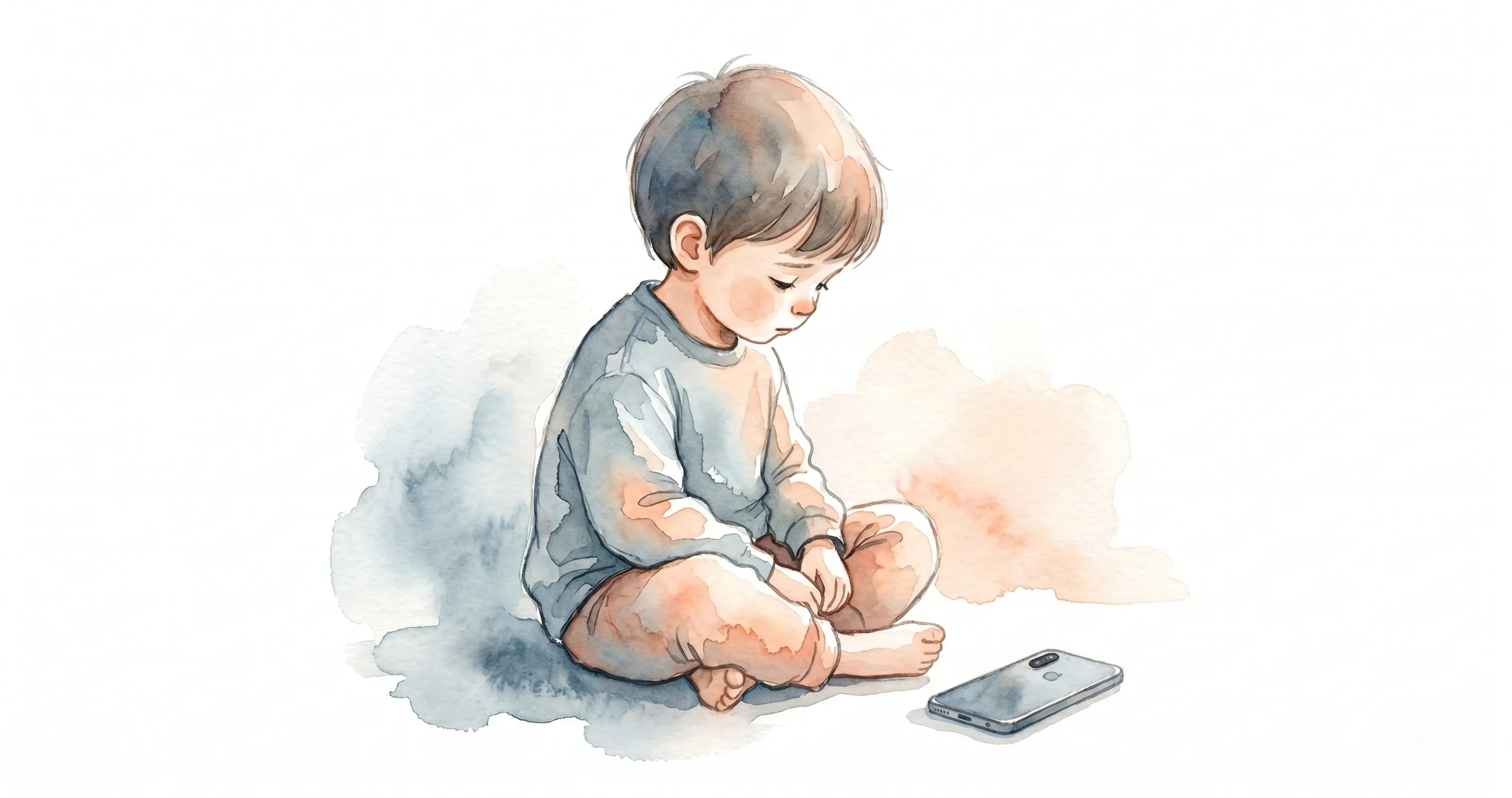
You might not catch it right away. There is no bruise, no torn backpack, no note from the teacher. But something has shifted. Your child is quieter than usual. They flinch when their phone buzzes. They have stopped mentioning the group chat they used to talk about constantly. These are cyberbullying signs — and they are easy to miss if you do not know what to look for.
According to the Cyberbullying Research Center, 37% of students aged 12 to 17 have experienced cyberbullying. Yet only 1 in 10 teens tells a parent when it happens. That gap between experience and disclosure is where this guide lives. It is designed to help you recognize the signs of cyberbullying before your child tells you — because most of them will not.
What Is Cyberbullying? A Quick Definition for Parents
Cyberbullying is repeated, intentional harm carried out through digital devices — phones, tablets, computers, and gaming consoles. It includes sending threatening or degrading messages, spreading rumors online, sharing embarrassing photos without consent, deliberately excluding someone from group chats, and creating fake accounts to impersonate or mock another person.
What separates cyberbullying from a single mean comment is the pattern. A one-off rude message is hurtful but not necessarily bullying. When the behavior is repeated, targeted, and involves a power imbalance — such as a group targeting one individual, or an older child targeting a younger one — it crosses the line.
Why cyberbullying hits differently than in-person bullying
Traditional bullying has a physical boundary. When the school day ends, the child goes home and has space to recover. Cyberbullying does not stop at the school gate. It follows a child into their bedroom, onto the bus, and into every moment they are connected to a device. The harassment can happen at 2 a.m. The audience can be hundreds of peers. And the evidence — screenshots, shared posts, forwarded messages — can be permanent.
This always-on quality is what makes cyberbullying effects on mental health so significant. There is no safe space unless you deliberately create one.
Warning Signs Your Child Is Being Cyberbullied
The cyberbullying warning signs tend to cluster into three categories: behavioral changes around devices, emotional and social withdrawal, and physical symptoms. No single sign is definitive on its own, but when several appear together or persist over weeks, they form a pattern worth investigating.
Behavioral changes around devices
- Sudden secrecy — hiding their screen when you walk by, switching apps quickly, or taking their phone to the bathroom every time
- Avoiding their phone or computer — a child who used to be glued to their device suddenly wants nothing to do with it
- Deleting apps or accounts — removing social media profiles or messaging apps without a clear reason
- Checking their phone compulsively — anxiously refreshing notifications, then becoming visibly upset by what they see
- New accounts — creating a second or anonymous account on the same platform they already use
Emotional and social withdrawal
- Reluctance to go to school or participate in activities they previously enjoyed
- Withdrawing from friends, both online and offline
- Unexplained mood swings — sadness, irritability, or anger that seems disproportionate to the situation
- Declining self-esteem or sudden negative self-talk (“Nobody likes me,” “I’m so stupid”)
- Loss of interest in things that used to bring joy
Physical symptoms
- Trouble sleeping or nightmares
- Frequent headaches or stomachaches, especially on school mornings
- Changes in appetite — eating much more or much less than usual
- Fatigue and low energy, even with adequate rest
Cyberbullying Signs by Age Group
How cyberbullying manifests depends heavily on the child’s age, the platforms they use, and their social development. Here is what to watch for at each stage.
Elementary school (ages 7–10)
At this age, cyberbullying typically happens on gaming platforms, shared iPads at school, or messaging apps that parents may not even know their child is using. The bullying tends to be more direct: name-calling in a game chat, exclusion from an online group, or someone sharing an embarrassing photo taken during a playdate.
Signs to watch for:
- Suddenly refusing to play a game they used to love
- Crying or getting upset during or after online gaming sessions
- Asking unusually specific questions about privacy settings or blocking
- Reporting that a friend is “being mean” online without elaborating
Children this age often lack the vocabulary to describe what is happening. They may say “I just don’t want to play anymore” rather than “I’m being bullied.” Listen to what they are not saying as much as what they are.
Middle school (ages 11–13)
This is the peak risk window. Social hierarchies intensify. Platforms like Discord, Snapchat, Instagram, and TikTok become central to social life. Cyberbullying at this age is more sophisticated: group chats created to exclude one person, screenshots of private conversations shared publicly, or anonymous polls ranking classmates by appearance.
Signs to watch for:
- Abruptly changing friend groups or losing their closest friends
- Becoming obsessed with social media metrics — follower counts, likes, comments
- Expressing hopelessness or saying “nobody cares”
- Grades dropping without an obvious academic explanation
- Becoming uncharacteristically aggressive or defensive when asked about school
High school (ages 14–18)
Among older teens, cyberbullying often involves sexual content, reputation attacks, or coordinated social exclusion. It can also take the form of doxxing (sharing personal information publicly) or impersonation through fake social media accounts. The stakes feel existential at this age because social standing is tied to identity development.
Signs to watch for:
- Sudden desire to change schools or extreme reluctance to attend
- Withdrawal from extracurricular activities they previously cared about deeply
- Signs of self-harm or expressing that things would be “better without me”
- Extreme reactions to their phone — breaking it, throwing it, or refusing to have it in the room
- Uncharacteristic substance use as a coping mechanism
| Age Group | Common Platforms | Typical Tactics | Key Warning Signs |
|---|---|---|---|
| Ages 7–10 | Gaming chats, messaging apps, shared devices | Name-calling, exclusion from games, sharing embarrassing photos | Refusing to play favorite games, crying after online sessions |
| Ages 11–13 | Discord, Snapchat, Instagram, TikTok, group chats | Exclusion groups, screenshot sharing, anonymous polls, rumor spreading | Friend group changes, grade drops, obsession with social metrics |
| Ages 14–18 | All social media, dating apps, school platforms | Reputation attacks, doxxing, impersonation, sexual content | School avoidance, self-harm indicators, extreme device reactions |
Signs Your Child Might Be Cyberbullying Others
No parent wants to consider this possibility, but it is worth addressing. Children who cyberbully others are not always the “mean kids.” They are sometimes children who are being bullied themselves, children who are struggling with their own emotions, or children who simply do not understand the impact of their words on a screen.
Signs that your child may be on the other side:
- Switching screens or closing tabs when you approach — combined with laughing or smirking at their phone
- Multiple accounts on the same platform, especially anonymous or alias accounts
- Talking about other kids in derogatory terms — mocking appearance, intelligence, or social status
- Becoming angry or agitated when you ask about their online activity
- A sudden increase in social status that seems to come at another child’s expense
If you discover your child is cyberbullying someone, resist the urge to punish immediately. Ask what happened. Ask how they think the other person feels. Set clear consequences, but also address the underlying cause — whether it is insecurity, peer pressure, or a lack of empathy development. The goal is not just to stop the behavior but to help them understand why it matters.
What to Do When You Spot the Signs
You have noticed the signs. Your child is withdrawing, their behavior around devices has changed, and something feels off. Here is a step-by-step response playbook for how to deal with cyberbullying — designed to protect your child without making things worse.
Your first instinct may be to take the phone away, call the school, or confront the bully’s parents. Pause. An emotional reaction from you can make your child regret telling you — or decide not to tell you next time. Take a breath. The situation has likely been going on for a while. A few more hours to respond thoughtfully will not change the outcome.
Ask open-ended questions. “I’ve noticed you seem upset after being on your phone. Can you tell me what’s going on?” Let them talk without interrupting, correcting, or problem-solving. Your job in this moment is to make them feel heard, not to fix everything.
Before anything is deleted or disappears, take screenshots. Capture usernames, timestamps, and the content itself. Save messages, posts, and any evidence of the behavior. This documentation is essential if you need to involve the school, the platform, or law enforcement later.
Help your child block the person responsible on every platform where the harassment is happening. Then report the behavior to the platform using their built-in reporting tools. Most major platforms — Instagram, TikTok, Snapchat, Discord — have specific options for reporting bullying and harassment.
Not every case of cyberbullying requires involving authorities. A single mean message from a classmate can often be handled between families or with a school counselor. But if the behavior is severe, persistent, or involves threats, it is time to bring in the school administration or, in serious cases, law enforcement. More on this in Section 7.
How to Talk to Your Child About Cyberbullying
The conversation is the hardest part. How to tell if your child is being cyberbullied often comes down to whether they feel safe enough to tell you. And that depends on how you have talked about these topics before a crisis hits.
Before it happens: building the foundation
The best time to talk about cyberbullying is before your child experiences it. Normalize conversations about online life. Ask questions that are not interrogations: “What’s something funny that happened online today?” “Has anyone in your class had drama on social media recently?” These low-stakes conversations establish that you are a safe person to talk to about digital experiences.
Make it clear that they will never be punished for telling you about something bad that happened online — even if they were somewhere they were not supposed to be. If a child believes that admitting they were on a risky app will lead to losing their phone, they will stay silent about everything that happens there.
During a crisis: what to say and what to avoid
Say:
- “I’m glad you told me. This is not your fault.”
- “We are going to figure this out together.”
- “What do you need from me right now?”
- “You are not alone in this.”
Avoid:
- “Why didn’t you tell me sooner?” — implies blame
- “Just ignore them” — minimizes the experience
- “What did you do to make them act this way?” — shifts responsibility to the victim
- “I’m taking your phone away” — feels like punishment
After the crisis: keeping the door open
One conversation is not enough. Check in regularly without making it feel like surveillance. “How are things online this week?” is better than “Is anyone still being mean to you?” The first is a casual check-in. The second makes them relive the experience every time you ask.
When to Involve the School, Police, or a Therapist
Not every cyberbullying situation requires the same level of response. Here is a framework for deciding when to escalate.
When to involve the school
Contact the school when the cyberbullying involves classmates, when it is affecting your child’s ability to attend or participate in school, or when the behavior happens on school-provided platforms or devices. Most schools have anti-bullying policies that extend to online conduct. Bring your documentation — screenshots, dates, a timeline — and request a meeting with the counselor or principal.
Be specific about what you are asking for: an investigation, mediation, schedule changes, or a safety plan. Vague complaints get vague responses.
When to involve law enforcement
Contact the police when the cyberbullying includes:
- Threats of physical violence
- Sharing or soliciting sexual images of a minor
- Stalking or persistent harassment after being blocked
- Extortion or blackmail
- Any indication your child is in immediate danger
In many jurisdictions, severe cyberbullying is a criminal offense. You do not need to wait for it to become physical to involve authorities.
When to involve a therapist
Consider professional support when:
- Your child’s mood or behavior does not improve within a few weeks of the bullying stopping
- They show signs of anxiety, depression, or social withdrawal that affect daily functioning
- They express hopelessness, self-harm ideation, or talk about not wanting to be alive
- They are unable to return to normal activities — school, friendships, hobbies — despite the situation being resolved
Research shows that 93% of cyberbullying victims report adverse mental health effects. A therapist who specializes in adolescents can provide coping strategies and a safe space to process the experience. This is not an overreaction — it is preventive care.
How to Protect Your Child Going Forward
Prevention is not about locking down every device or monitoring every message. It is about building a digital environment where your child feels safe, informed, and connected to you.
Keep the conversation ongoing
The single most protective factor against cyberbullying is an open line of communication between parent and child. Children who believe they can talk to their parents about online experiences without judgment or punishment are far more likely to report problems early — before they escalate.
Make digital life a normal part of family conversation. Ask about their favorite accounts, the games they are playing, and the group chats they are part of. Not as an interrogation, but as genuine interest in their world.
Teach digital citizenship, not just digital safety
Safety rules tell a child what not to do. Citizenship teaches them what to do. Help your child understand the impact of their words online, the importance of standing up for others, and how to recognize when a situation is escalating. A child who has been taught to think about the person on the other side of the screen is less likely to become a bully and more likely to seek help when bullied.
Review privacy settings together
Sit down with your child and go through the privacy settings on every platform they use. Make accounts private. Turn off location sharing. Limit who can send direct messages. This is not about control — it is about reducing the surface area for harassment. When you do it together, it becomes a collaborative safety measure rather than a restriction imposed from above.
Reduce exposure to harmful platforms collaboratively
If certain apps or platforms are consistently connected to negative experiences, consider reducing access together rather than unilaterally. Tools like Timily’s Collaborative App Blocking let families decide together which apps to limit — so your child feels like a participant in their own safety rather than a subject of surveillance. The connection between social media and teen mental health is well-documented, and managing platform access proactively is one of the most effective protective steps you can take.
Build a support network
Your child’s resilience against cyberbullying is strengthened by their connections: trusted adults at school (a counselor, a coach, a favorite teacher), friends who have their back, and family members they feel safe with. Encourage these relationships actively. A child with multiple trusted adults in their life is far less vulnerable than one who has only their parents.
Know what recovery looks like
Recovery from cyberbullying is not linear. There will be good days and setbacks. Your child may seem fine for a week, then suddenly withdraw again when something triggers the memory. Be patient. Keep checking in. And remember that the goal is not to erase the experience but to help your child integrate it and come out stronger — knowing that they have people in their corner.